
Bengaluru Metro
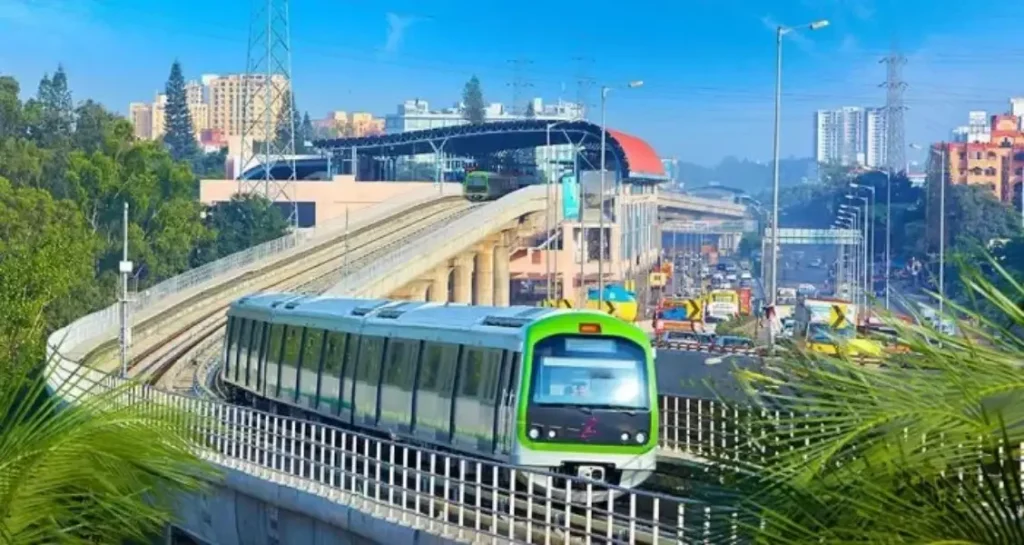
Metro systems play an integral role in urban mobility, especially in rapidly expanding cities such as Bengaluru. The Namma Metro, commonly referred to as Bengaluru Metro, is a transformative project that has not only eased transportation challenges but also stimulated significant real estate growth across the city. In this article, we delve into the evolution, key operational features, and the ongoing impact of metro systems on Bengaluru’s real estate market.
I. Comprehensive Overview of the Bengaluru Metro
A. Evolution and Growth
The Namma Metro started its journey in 2011, marking a milestone as the first underground metro system in South India. Over the years, it has grown into one of the largest metro networks in the country, spanning an impressive 73.75 kilometers. Its blend of underground, elevated, and at-grade stations effectively connects different parts of Bengaluru, playing a key role in enhancing accessibility for its citizens.
B. Operational Features and Expansion
As of April 2024, the Bengaluru Metro includes a total of 66 stations, with 57 elevated, 8 underground, and 1 at-grade station, offering extensive connectivity across the city. Operating daily between 5:00 AM and midnight, with trains running at intervals ranging from 3 to 15 minutes, the metro has evolved significantly. Initially starting with three-coach trains, the metro has now expanded to accommodate six coaches to handle the increasing ridership, which hit a daily average of 756,000 passengers. Notably, a record 819,000 riders were registered in July 2024, underlining the metro’s importance in urban transit.
C. Technological Edge
The Bengaluru Metro operates on standard-gauge tracks and utilizes 750V direct current (DC), which is supplied via a third rail, ensuring a seamless and safe travel experience. This cutting-edge technology, along with strategic planning, has contributed to its growing reputation as a reliable, efficient, and environmentally friendly transportation solution. By reducing traffic congestion and minimizing commute times, the metro enhances the overall urban experience and continues to drive the city’s real estate growth.
II. The Impact of the Bengaluru Metro on Real Estate Growth
A. Strategic Importance of Metro-Connected Properties
The expansion of the Bengaluru Metro has had a transformative effect on the real estate landscape, particularly for properties situated near metro stations. Locations that offer proximity to metro lines have become highly sought after due to the convenience they provide to daily commuters. For instance, Godrej Tiara, which is located near the Goraguntepalya Metro Station on the Green Line, benefits immensely from its prime location. Being just 1.3 kilometers away from the metro station, this property is an ideal choice for residents who value efficient access to public transport. Metro connectivity significantly enhances the appeal of such properties, making them a popular choice among buyers and investors
B. Ease of Travel and Rising Real Estate Demand
Bengaluru’s metro system plays a critical role in reducing the city’s notorious traffic congestion and improving ease of travel. The seamless connectivity offered by the metro has led to a noticeable rise in demand for real estate near metro stations. Projects like Godrej Tiara stand out in this market, providing residents with unparalleled access to the metro. The ability to quickly commute across the city, especially in a city known for long traffic delays, adds significant value to these properties. As a result, investors are increasingly attracted to residential and retail developments near the Green Line, further boosting the demand and value of metro-connected real estate.
C. Enhanced Connectivity to Key Locations
Godrej Tiara enjoys excellent connectivity to key areas in Bengaluru, thanks to its proximity to major roadways and metro lines. The project is near important highways such as NH 4, Peenya, and NH 75, offering direct routes to various parts of the city and beyond. NH 4 links the property to western Bengaluru and significant industrial and commercial centers, while NH 75 ensures easy access to northern Bengaluru and key employment zones. Additionally, the project is close to Peenya, one of Asia’s largest industrial hubs, making it convenient for professionals. Complementing this road network are metro stations like Goraguntepalya, Peenya Industrial Area, and Yeshwanthpur, all located on the Green Line, providing residents with an efficient public transportation option. This combination of road and metro connectivity enhances the project’s appeal, offering seamless access to different parts of the city.
D. Importance of Key Metro Stations on the Green Line
The Green Line Metro is instrumental in connecting various parts of Bengaluru, playing a key role in boosting the accessibility and desirability of properties such as Godrej Tiara. Proximity to metro stations not only simplifies daily commutes but also enhances the property’s value. Let’s explore some key stations along the Green Line that contribute to the appeal of this project:
- Nagasandra Metro Station: As the starting point of the Green Line, this station connects the western and northern parts of Bengaluru to the city center. It provides easy access for residents commuting to the central business districts.
- Peenya Industrial Area Metro Station: Located near one of Asia’s largest industrial hubs, this station is particularly beneficial for professionals working in the Peenya Industrial Area, offering a fast and efficient commute.
- Goraguntepalya Metro Station: This metro station, located just 1.3 kilometers from Godrej Tiara, offers residents quick and convenient metro access, ensuring smooth and hassle-free daily commutes.
- Yeshwanthpur Metro Station: This station provides easy access to key commercial areas, shopping districts, and transportation hubs, greatly improving convenience for local residents.
- Majestic Metro Station: Serving as a significant interchange between the Green Line and Purple Line, Majestic enables seamless travel across the city, making it a central hub for Bengaluru’s commuters.
These strategically located metro stations not only offer smooth connectivity but also increase the property value in the Godrej Tiara area, making it highly attractive for both homebuyers and investors alike.
Key Metro Stations on the Green Line:
Here’s a comprehensive list of important stations along the Green Line of the Bengaluru Metro, showcasing their significance in providing connectivity to various parts of the city:
- Silk Institute Metro Station (Green Line terminus)
- Konanakunte Cross Metro Station
- JP Nagar Metro Station
- R.V. Road Metro Station (Connects with Yellow Line)
- Jayanagar Metro Station
- Lalbagh Metro Station
- Majestic Metro Station (Interchange for Purple Line)
- Sampige Road Metro Station
- Rajajinagar Metro Station
- Yeshwanthpur Metro Station
- Goraguntepalya Metro Station (Close to Godrej Tiara)
- Peenya Industrial Area Metro Station
- Dasarahalli Metro Station
- Nagasandra Metro Station
These stations enhance the overall connectivity of the Green Line, providing residents of Godrej Tiara and surrounding areas with easy and efficient access to key parts of Bengaluru. The presence of these stations also adds significant value to properties, making them a smart investment for homebuyers and investors alike.
III. Connectivity and Future Metro Developments
A. Current Connectivity Across Bengaluru
The Bengaluru Metro network offers extensive connectivity, linking crucial parts of the city, especially through its Green Line. This line connects northern and southern Bengaluru, passing through significant commercial, residential, and industrial hubs. Major stations like Dasarahalli, Rajajinagar, Sampige Road, and Jayanagar play a pivotal role in facilitating smooth travel for the city’s growing number of daily commuters. With its widespread reach, the metro network has become an essential component of Bengaluru’s public transportation system, helping to ease traffic congestion and improve urban mobility.
B. Future Expansions and Upgrades
The Bengaluru Metro is poised for further growth with the upcoming introduction of new lines and the extension of existing ones. The much-anticipated Yellow Line, along with planned extensions to the Green and Purple Lines, will bring even more areas within easy reach of the metro system. These future developments are expected to significantly boost real estate demand, particularly in areas like Sarjapur Road and East Bangalore, both known for their premium residential projects. As metro connectivity expands, the value of properties near metro stations is projected to rise, making them highly desirable for both buyers and investors.
C. Boosting Property Value and Quality of Life
Investing in properties with direct metro connectivity, such as Godrej Tiara, provides dual benefits: potential financial returns and an enhanced quality of life. The metro’s presence in West Bengaluru contributes to reducing traffic congestion and shortening commute times, while also promoting a sustainable lifestyle through the use of public transportation. As a result, areas with strong metro connectivity, like Godrej Tiara, are becoming increasingly attractive to homebuyers and investors looking for properties that offer convenience, accessibility, and long-term growth prospects in the Bengaluru real estate market.
Conclusion
The Bengaluru Metro serves as more than just a mode of transport; it is a powerful force driving urban development and real estate growth across the city. Projects like Godrej Tiara demonstrate the immense advantages of investing in metro-connected properties, offering unparalleled convenience and seamless connectivity to residents. As the metro network expands, its influence on Bengaluru’s real estate market will continue to grow, making metro connectivity a critical consideration for both investors and homebuyers seeking long-term value.
FAQ’s – Frequently Asked Questions
The Bengaluru Metro, also known as Namma Metro, holds the distinction of being the first underground metro in South India and the second-longest metro network in the country. It is unique due to its integration of underground, at-grade, and elevated stations, effectively catering to the city’s varied landscape and making it an essential part of Bengaluru’s transportation infrastructure.
The introduction of the Bengaluru Metro has significantly increased demand for properties located near metro stations, particularly along the Green Line. This heightened demand has led to a rise in property values and stronger investment opportunities in metro-connected areas.
Living close to a metro station offers several advantages, including easy access to public transportation, reduced travel times, lower transportation costs, and an improved quality of life. These benefits make metro-connected properties highly attractive to residents who prioritize convenience.
With upcoming expansions, such as the Yellow Line and extensions to the Green and Purple Lines, the demand for properties near metro stations is expected to rise further. This increased accessibility will drive up property values and offer even greater investment potential.
Projects like Godrej Tiara, located close to the Goraguntepalya Metro Station, are prime examples of residential developments that offer the luxury of metro connectivity. These projects provide excellent convenience, making them attractive options for homebuyers and investors alike.