
About Bangalore
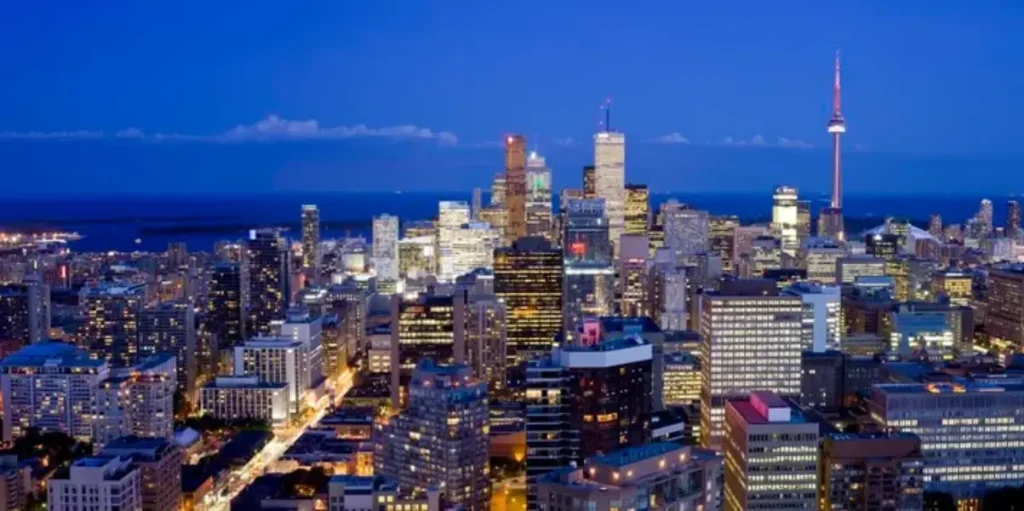
Bangalore, often called Bengaluru, is a city that seamlessly merges ancient traditions with contemporary advancements, establishing itself as one of India’s most dynamic and rapidly evolving cities. When talking about Bangalore, it’s important to highlight that this city, located in the southern region of India, serves as the capital of Karnataka and is celebrated for its moderate climate, lush greenery, and booming technology sector. Frequently dubbed the “Silicon Valley of India,” this city is a global hub for innovation, education, and real estate, drawing people from across India and the globe. With a population exceeding 8.5 million, it ranks as the third most populous city in India, and its status as a cultural, economic, and technological powerhouse continues to strengthen.
I. Historical Significance and Development
A. Ancient Origins
Bangalore’s history is deeply rooted in antiquity, with archaeological evidence suggesting human presence in the region dating back to the stone age. The city’s name, Bengaluru, is thought to originate from the phrase “Benda Kaal Ooru,” which translates to “town of boiled beans,” highlighting its agricultural past. The earliest recorded mention of Bengaluru can be traced back to 890 AD, as found in an inscription at the Nageshwara Temple in Begur.
B. Formation of Modern Bangalore
The foundations of modern Bangalore were laid in 1537 by Kempe Gowda I, a feudal lord under the Vijayanagara Empire, who constructed a mud fort that shaped the city’s current layout. This fort, known as the Bangalore Fort, remains a significant historical landmark. Following the decline of the Vijayanagara Empire, this dynamic city experienced various regimes, including the Mughals, Marathas, and the Kingdom of Mysore.
C. British Influence and Modern Era
In 1799, following the Fourth Anglo-Mysore War, Bangalore fell under the control of the British East India Company. The British established a cantonment area, which became a central hub for military and administrative functions. The city witnessed significant expansion during this period, and after India’s independence in 1947, Bangalore was declared the capital of the state of Mysore (now Karnataka).
II. Bangalore’s Growth as a Technological Hub
A. Emergence of the IT Sector
Bangalore’s evolution into the “Silicon Valley of India” commenced in the late 20th century, as the city emerged as the nation’s leading information technology (IT) center. The creation of Electronics City in the early 1980s signaled the beginning of this transformation. Today, Bengaluru contributes over 41% of India’s total IT exports, solidifying its role as a critical player in the global technology landscape.
B. Presence of Leading Technology Giants
Numerous well-known international companies have their Indian headquarters in this bustling city, including Infosys, Wipro, and Tata Consultancy Services (TCS). Furthermore, global technology giants such as Google, Microsoft, and Amazon have established significant operations within the city. This influx of tech companies has not only strengthened Bangalore’s economy but has also drawn a highly skilled workforce from across the globe.
C. Thriving Innovation and Startup Ecosystem
Bangalore is dubbed the startup capital of India due to its dynamic and thriving startup ecosystem. The city is home to more than 7,900 startups across various sectors, including fintech, e-commerce, and biotechnology. This vibrant entrepreneurial environment has positioned this dynamic city as a hotspot for venture capital investments and innovation, fueling its reputation as a center of creativity and growth.
III. Real Estate and Urban Development
A. Surge in Real Estate Market
The rapid expansion of Bangalore’s IT sector has significantly impacted the city’s real estate market. The rise of tech businesses and the influx of professionals have resulted in a boom in demand for residential and commercial properties. Areas such as Whitefield, Electronic City, and Sarjapur Road have emerged as prime locations for real estate investments.
B. Diversity in Housing Options
Bengaluru offers a diverse range of housing options, from luxurious apartments with modern amenities to affordable housing projects targeting middle-income families. The trend toward affordable housing is gaining momentum, with residential property values expected to rise by 5.5% annually. This growth makes this city an attractive destination for real estate investments, appealing to both domestic and international buyers.
C. Significant Developments in West Bangalore
West Bangalore, particularly areas like Yeshwanthpur, is experiencing notable developments. A prominent example is Godrej Tiara, a pre-launch residential project by Godrej Properties. In one of Bangalore’s fastest-growing areas, these project’s roomy 3 BHK, 3.5 BHK, and 4.5 BHK flats offer opulent living quarters. Godrej Tiara is a standout investment opportunity in Bangalore’s real estate market thanks to its superior architecture and contemporary amenities.
D. Advancements in Infrastructure
Bangalore’s infrastructure has evolved to support its growing population and economic activities. The launch of the Namma Metro has transformed public transportation, facilitating easier commutes across the city. Additionally, the development of new flyovers, roads, and underpasses has enhanced connectivity to key areas, including the Kempegowda International Airport and various IT parks.
IV. Cultural and Social Life
A. Cosmopolitan Lifestyle
Bengaluru is celebrated for its cosmopolitan vibe, attracting a diverse population from various parts of India and around the world. This multicultural environment enriches the city’s cultural fabric, influencing everything from its food scene to the wide range of festivals celebrated throughout the year. The city is a unique blend of traditional customs and modern lifestyles, making it a true melting pot where the old meets the new.
B. Educational and Research Hub
Bangalore is home to some of India’s most prestigious educational institutions, such as the Indian Institute of Science (IISc), Indian Institute of Management Bangalore (IIMB), and National Institute of Fashion Technology (NIFT). These renowned institutions have established Bangalore as a leading center for education and research, drawing students and scholars from all over the globe.
C. Rich Sporting Culture
Bangalore boasts a vibrant sporting culture, with cricket reigning as the most popular sport. The M. Chinnaswamy Stadium, centrally located in the city, is a key venue for international cricket matches and serves as the home ground for the Royal Challengers Bangalore (RCB) in the Indian Premier League (IPL). The city also has a growing football culture, with Bengaluru FC making a significant impact in the Indian Super League (ISL).
V. Tourism and Natural Attractions
A. The Garden City of India
Bangalore, called the “Garden City of India,” is famous for its abundance of parks, gardens, and tree-lined avenues. The Lalbagh Botanical Garden and Cubbon Park are two of the city’s most iconic green spaces, offering both residents and visitors a tranquil retreat from the hustle and bustle of urban life.
B. Ideal Weekend Getaways
Thanks to its strategic location, Bangalore is an ideal starting point for exploring nearby natural attractions. Nandi Hills, located just 60 kilometers away, is a popular spot for trekking and nature walks. Coorg, renowned for its lush coffee plantations and stunning landscapes, is another favored weekend destination. Moreover, Bangalore’s proximity to wildlife sanctuaries and national parks, such as Bannerghatta National Park and Nagarhole National Park, makes it a haven for nature lovers.
C. Architectural Heritage
Bangalore is rich in architectural heritage, with landmarks like the Bangalore Palace, Tipu Sultan’s Summer Palace, and Vidhana Soudha standing as testaments to the city’s historical and cultural legacy. These historical sites, alongside modern architectural marvels such as the UB City and the Infosys campus, illustrate the city’s harmonious blend of tradition and contemporary design.
Conclusion
Bangalore stands as a city that has adeptly navigated change while maintaining its cultural essence. When considering about Bangalore, it’s clear that the city’s journey from a modest settlement to a global technology powerhouse is one of continuous growth, offering ample opportunities for innovation and progress. The real estate market, especially in emerging areas like West Bangalore, offers lucrative investment options, with developments like Godrej Tiara leading the way. With its blend of rich history, a thriving economy, and a vibrant cultural scene, Bangalore is more than just a city to reside in – it’s a place where individuals and businesses alike can flourish.
FAQ’s - Frequently Asked Questions
Bangalore’s real estate market is thriving, with strong demand for both residential and commercial properties. Key areas such as Whitefield, Electronic City, Sarjapur Road, and Yeshwanthpur are particularly popular for real estate investments.
The most favorable time to explore Bengaluru is during the winter season, from October to February. During these months, the city enjoys pleasant weather, making it perfect for sightseeing and outdoor activities.
Kannada is the primary language spoken in Bengaluru, but English and Hindi are also widely understood and used, making the city accessible to people from various linguistic backgrounds.
Bangalore earned the nickname “Silicon Valley of India” due to its prominent role as the country’s leading hub for IT companies and startups. The city significantly contributes to India’s tech innovation and IT exports.
Bengaluru offers numerous attractions for visitors, including the Lalbagh Botanical Garden, Bangalore Palace, Tipu Sultan’s Summer Palace, and the scenic Nandi Hills, all of which are must-see destinations.