
5+ Factors Influencing Luxury Real Estate
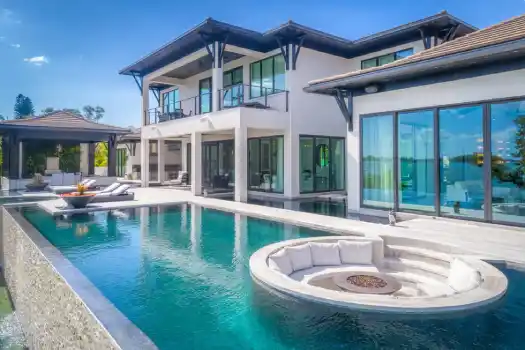
Luxury real estate represents the pinnacle of the property market, designed to meet the demands of high-net-worth individuals (HNWIs) who prioritize exclusivity, premium amenities, and long-term investment potential. Understanding the 5+ Factors Influencing Luxury Real Estate is vital for buyers, investors, and developers to make informed decisions. Here are the essential drivers shaping the global luxury real estate market.
Economic and Political Stability
The foundation of luxury property investments lies in economic and political stability. Countries with steady growth rates and secure governance offer confidence to buyers and investors. Stable economies often ensure consistent property value appreciation, while politically secure regions provide well-established property rights and transparent legal frameworks. This stability is a significant attraction for both local and international buyers seeking high-value properties.
Prime Location
A luxury property’s value begins with its exclusive residential location. Prestigious areas such as serene beachfronts, bustling metropolitan hubs, and scenic hilltop locales, including sought-after developments like Godrej Tiara, offer unmatched appeal. These areas combine safety, exclusivity, and convenience, making them highly desirable for affluent buyers. Prime locations like these also ensure significant return on investment (ROI), a critical factor for elite real estate acquisitions.
Access to World-Class Infrastructure
Modern and well-connected infrastructure elevates the status of luxury properties. Proximity to international airports, advanced metro systems, and robust highway networks enhances accessibility, making daily commutes seamless. High-net-worth buyers value properties situated in regions with cutting-edge transport links and smart city features, ensuring convenience without compromising on lifestyle.
Social and Recreational Amenities
The availability of world-class social infrastructure greatly influences the desirability of premium real estate features. Residents expect access to renowned schools, state-of-the-art healthcare facilities, high-end shopping destinations, and exclusive recreational spaces. Furthermore, entertainment options such as fine-dining restaurants, private golf courses, and luxury theatres add to the appeal, creating a lifestyle synonymous with ultra-luxury amenities.
Infrastructure Development and Growth
Regions undergoing transformative development often witness a surge in luxury real estate demand. The introduction of high-speed rail, smart urban designs, and modernized utilities boosts the appeal of properties in such areas. For instance, gated communities with advanced security systems and eco-friendly designs attract buyers seeking sustainable luxury homes with long-term appreciation potential.
Lifestyle Trends and Technological Integration
Modern buyers prefer homes that align with evolving lifestyle trends. Properties equipped with smart home automation technologies, expansive private spaces, and eco-friendly designs cater to this demand. Additionally, sustainable features such as solar panels, green construction materials, and energy-efficient systems ensure properties remain relevant and attractive to environmentally conscious buyers.
Conclusion
The luxury housing market trends are driven by a combination of stable economies, desirable locations, robust infrastructure, and innovative features that meet the expectations of affluent buyers. By considering these factors, both buyers and investors can make informed decisions, ensuring properties that offer exceptional living standards and robust financial returns. Understanding these critical elements is key to navigating the competitive luxury real estate market successfully.